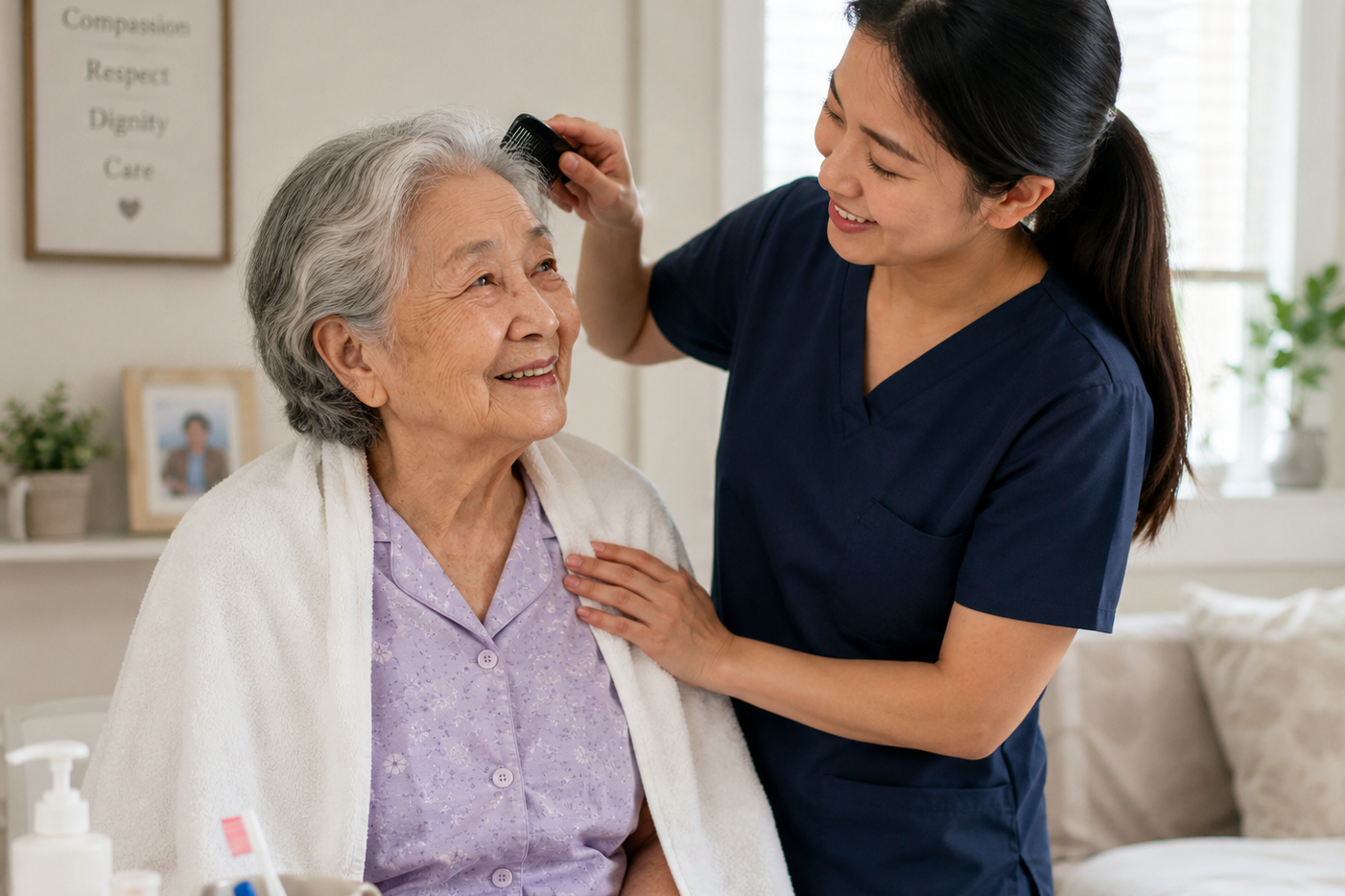
Winter Home Care Support: Protecting Seniors’ Health and Safety
Winter Home Care Support becomes especially important as colder weather brings new health and safety risks for seniors. Shorter days, icy sidewalks, and seasonal illnesses can make everyday tasks more challenging and sometimes dangerous. For many families, arranging professional home care during winter provides reassurance that loved ones are supported, monitored, and protected when risks are at their highest.
Understanding how home care support helps during winter can make a meaningful difference in a senior’s comfort and well-being.
Cold Weather Risks for Seniors
Cold temperatures affect seniors differently than younger adults. Aging bodies regulate heat less efficiently, increasing the risk of hypothermia, even indoors. Seniors with chronic conditions such as heart disease, arthritis, or respiratory issues may experience worsening symptoms during cold weather.
Winter also tends to increase isolation. Snow, poor visibility, and limited mobility can prevent seniors from leaving their homes, which may affect both physical and emotional health. Home care support ensures regular human interaction, routine monitoring, and help with daily needs during times when seniors are more likely to remain indoors.
Preventing Winter Falls at Home
Winter Home Care Support plays a key role in fall prevention, one of the most serious concerns during colder months. Slippery entrances, wet floors, bulky winter clothing, and reduced daylight all increase the risk of falls.
Home care professionals help reduce these risks by assisting with mobility, ensuring safe movement around the home, and identifying hazards such as loose rugs or poor lighting. Caregivers can also help with footwear, mobility aids, and safe transitions in and out of the home when winter conditions make walking more difficult.
Preventing falls is not just about avoiding injury. It also helps seniors maintain confidence and independence throughout the season.
Reducing the Risk of Winter Illness
Cold and flu season poses additional risks for seniors, whose immune systems may not respond as strongly as they once did. Respiratory infections, dehydration, and poor nutrition are more common during winter, especially for those living alone.
Home care services help seniors stay healthier by supporting proper nutrition, hydration, and medication routines. Caregivers also assist with hygiene, monitor early signs of illness, and encourage healthy habits that reduce the risk of infection.
Consistent support allows potential health concerns to be identified early, often preventing minor issues from becoming serious medical problems.
Emotional Well-Being During the Winter Months
Winter can be a lonely time for many seniors. Limited mobility and fewer social interactions may lead to feelings of isolation or seasonal depression. Winter Home Care Support provides companionship, emotional reassurance, and routine, all of which are essential for mental well-being.
Having a trusted caregiver present offers comfort and stability, helping seniors feel connected and supported even when weather conditions limit outside activities.
How Families Benefit From Home Care Support
Families also benefit from knowing their loved ones are cared for during winter. Professional home care reduces stress, provides reliable assistance, and allows family members to focus on quality time rather than constant worry about safety and health risks.
Care plans can be adjusted seasonally, ensuring seniors receive the right level of support as winter conditions change.
Plan Ahead for a Safer Winter
Winter Home Care Support is not just a convenience. It is a proactive step toward protecting seniors from seasonal risks while helping them remain comfortable and independent at home.
If you are concerned about a loved one’s safety or health this winter, book your consultation with Tree of Life Home Health Care today and discover how personalized home care support can make the winter season safer and more manageable.