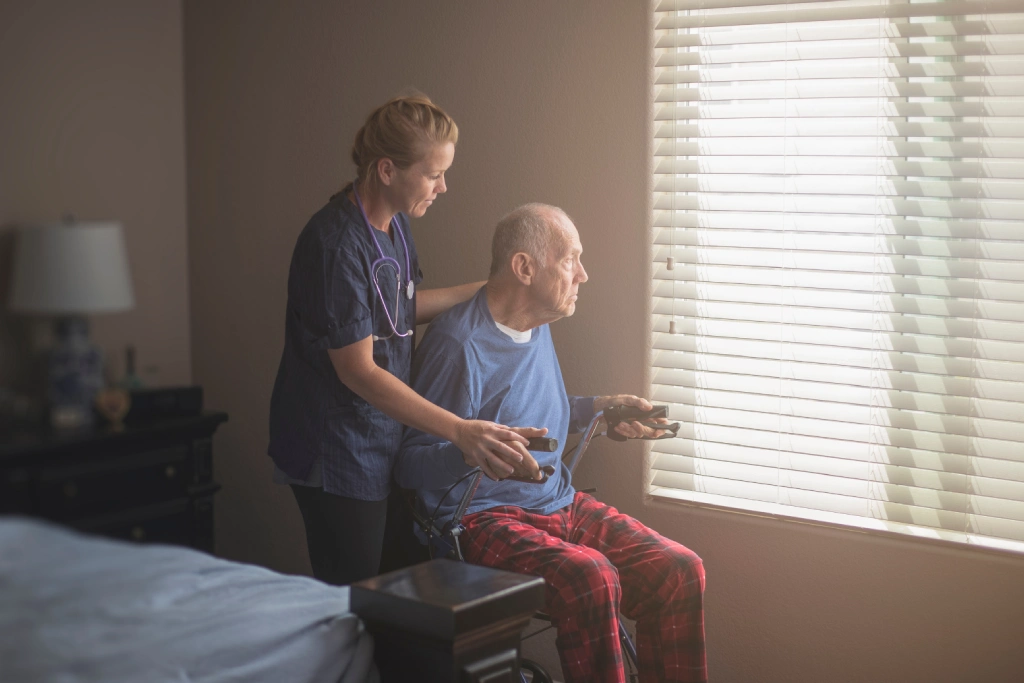
Hospital Discharge to Home: A Family Guide to Preventing Readmission for Seniors
Hearing that an older loved one is ready to leave the hospital can bring enormous relief. But for many families, that relief is quickly followed by another feeling: Are we really ready to manage everything at home?
There may be new medications to organize, mobility restrictions to understand, follow-up appointments to schedule, meals to prepare, and warning signs to watch for. Meanwhile, your loved one may still be weak, tired, uncomfortable, or less steady than they were before hospitalization.
The transition home deserves careful attention. The first weeks following discharge are an important recovery period, and problems such as medication errors, falls, dehydration, worsening symptoms, and missed follow-up care can contribute to an unexpected return to the hospital.
A thoughtful plan for hospital discharge home care for seniors can make this transition more manageable for everyone involved.
Here is a practical guide to preparing your loved one, your family, and the home for a safer recovery.
Why Can the Transition Home Be So Difficult for Seniors?
A hospital may determine that someone is medically stable enough to leave, but that does not necessarily mean they have returned to their previous level of independence.
After an illness, injury, or surgery, an older adult may have less strength and stamina. Familiar activities such as getting out of bed, showering, preparing breakfast, or walking to the bathroom can suddenly require considerably more effort.
At the same time, discharge instructions may introduce an entirely new daily routine.
Families can find themselves trying to coordinate medications, medical appointments, mobility assistance, meals, personal care, and household responsibilities almost overnight.
According to the National Institute on Aging, families caring for older adults can play an important role in helping coordinate health needs and supporting day-to-day well-being.
Understanding where problems commonly arise can help families prepare before their loved one walks through the front door.
Common Reasons Seniors Struggle After Hospital Discharge
Medication Confusion
Medication management can become complicated quickly after hospitalization.
A senior may return home with new prescriptions, changed doses, discontinued medications, or different instructions for medications they were already taking.
That creates opportunities for mistakes, particularly when old prescription bottles are still sitting in the medicine cabinet.
Before discharge, ask the hospital team for an up-to-date medication list that clearly identifies:
- Which medications should be taken
- The correct dose and timing
- Which previous medications should be stopped
- Whether medications should be taken with food
- Important side effects or warning signs
- What to do if a dose is missed
- Who to contact with medication questions
Do not independently restart, stop, combine, or change prescription medications unless directed by an appropriate healthcare professional.
Weakness and Increased Fall Risk
Hospital stays can take a physical toll, especially on older adults.
Even a relatively short period of reduced movement can leave someone feeling weaker or less steady. Add pain, fatigue, unfamiliar medications, dizziness, or the use of a walker or cane, and navigating the home can become more challenging.
A senior who previously climbed stairs independently may suddenly need assistance. Getting in and out of a shower, standing up from a chair, or walking to the bathroom at night may also require extra support.
This is why mobility needs should be discussed before discharge rather than discovered after a fall at home.
Missed Follow-Up Care
Leaving the hospital is usually not the end of treatment.
Your loved one may need to see a primary care physician or specialist, complete blood work, attend rehabilitation, have a wound checked, or undergo additional testing.
Before leaving the hospital, make sure the family understands what needs to happen next, when it needs to happen, and who is responsible for arranging it.
Whenever possible, schedule important follow-up appointments before discharge.
Poor Nutrition and Dehydration
Eating and drinking adequately can become surprisingly difficult during recovery.
Fatigue may make cooking feel overwhelming. Pain or nausea can reduce appetite. Mobility limitations may prevent someone from grocery shopping or safely preparing meals.
Some seniors may also forget to drink regularly.
Ask the medical team whether your loved one has any dietary or fluid restrictions. If not, make sure appropriate meals, snacks, and beverages are readily available when they return home.
A Hospital-to-Home Checklist for Families
Preparation can reduce some of the uncertainty surrounding senior recovery at home.
Rather than waiting until discharge day to figure everything out, begin planning as early as possible.
Before Leaving the Hospital
Ask to speak with the nurse, discharge planner, social worker, or other appropriate member of the care team.
Bring a notebook or keep notes on your phone. Discharge days can be busy, and it is easy to forget important information.
Make sure you understand:
- What condition was treated and what recovery should look like
- Which symptoms are expected during recovery
- Which symptoms require a call to the healthcare provider
- Which symptoms require urgent or emergency attention
- All current medications and recent changes
- Activity and lifting restrictions
- Bathing or wound-care instructions, if applicable
- Dietary or fluid restrictions
- Whether a walker, cane, commode, shower chair, or other equipment is recommended
- When follow-up appointments should occur
- Who to call if questions arise after discharge
If instructions are unclear, ask for clarification before leaving.
Prepare the Home Before Your Loved One Arrives
Walk through the home from the perspective of someone who is tired, weak, or using a mobility aid.
Clear clutter, loose cords, small furniture, and other obstacles from frequently used pathways. Remove or secure loose rugs where appropriate and make sure hallways, bathrooms, and stairways have adequate lighting.
Think carefully about where your loved one will sleep, eat, and use the bathroom.
If stairs are temporarily difficult, consider whether a safe recovery area can be established on the main floor. Keep frequently needed items within easy reach so your loved one does not have to repeatedly bend, stretch, or climb stairs.
Follow recommendations from the hospital team, physical therapist, occupational therapist, or other qualified professional regarding mobility equipment and home modifications.
The First 72 Hours at Home
The first few days can feel overwhelming because everyone is adjusting to a new routine.
Keep things as simple and predictable as possible.
Establish a Daily Routine
Write down a basic schedule covering medications, meals, rest, approved activity, personal care, and upcoming appointments.
A visible schedule can help both the senior and family caregivers understand what needs to happen next.
Avoid trying to return immediately to the person’s normal pre-hospital routine. Recovery often requires additional rest and a gradual return to activity based on medical guidance.
Organize Medications Immediately
Compare every medication at home with the current discharge list.
If something does not match or instructions appear contradictory, contact the appropriate healthcare provider or pharmacist for clarification rather than guessing.
Medication reminder systems can be useful, but they should reflect the current medication plan provided by the healthcare team.
Make Food and Hydration Easy
Stock the refrigerator with foods that are simple to prepare and consistent with any dietary instructions.
Pre-portioned meals and easily accessible snacks can reduce the effort required to eat regularly.
Keep appropriate beverages within reach and monitor for concerns identified by the medical team.
Pay Attention to Changes
Family caregivers often know what is normal for their loved one.
Watch for changes in mobility, alertness, appetite, pain, breathing, mood, or ability to complete everyday activities.
Follow the discharge team’s instructions regarding warning signs and when to contact a healthcare professional. If symptoms appear severe or life-threatening, seek emergency medical assistance.
How In-Home Care Can Help After Hospital Discharge
Families frequently discover that there is a gap between what their loved one can safely do independently and what relatives can realistically provide every day.
This is where post-hospital home care can help.
Non-medical in-home caregivers do not replace doctors, nurses, physical therapists, or other licensed healthcare professionals. Instead, they can provide practical assistance with everyday activities and help support the recovery plan established by the healthcare team.
Depending on the individual’s needs and care plan, support may include:
- Assistance with walking and everyday mobility
- Help with transfers and personal care
- Medication reminders based on established instructions
- Meal preparation
- Encouragement with hydration when appropriate
- Light household assistance
- Transportation or accompaniment to appointments
- Companionship and reassurance
- Help maintaining a consistent daily routine
- Communicating observed changes or concerns to family members
For someone receiving in-home care after surgery, even relatively simple assistance can make a meaningful difference. Having another person available when getting dressed, preparing a meal, or moving around the home can reduce the pressure on both the recovering senior and family caregivers.
Transitional Care Can Also Support Family Caregivers
When a parent or spouse returns home, families often assume they will simply “make it work.”
That can mean one person managing medications before work, another preparing meals in the evening, and someone else trying to coordinate medical appointments and transportation.
It may work temporarily, but it can quickly become exhausting.
Professional transitional care for elderly adults can provide an additional layer of practical support during this demanding period.
Care can be customized around the times when help is most needed. Some families may require support during the first few days after discharge, while others may benefit from ongoing assistance as their loved one gradually regains independence.
The goal is not to take control away from the senior or family. It is to provide enough support that recovery does not depend entirely on an already stretched family caregiver.
Supporting a Safer Recovery With Tol Home Care
Every hospital discharge is different.
One senior may primarily need assistance with meals and transportation while regaining strength. Another may require more consistent help with mobility, personal care, companionship, and everyday routines.
Tol Home Care takes a compassionate, client-centered approach to supporting seniors and their families at home.
Through personalized in-home care services, families can discuss their loved one’s daily needs and develop a care plan built around the individual rather than trying to fit recovery into a one-size-fits-all schedule.
For families, that extra support can provide valuable reassurance during a period that often feels uncertain.
For seniors, receiving assistance in familiar surroundings can help make the transition from hospital or rehabilitation facility to home feel less overwhelming.
Frequently Asked Questions About Post-Hospital Home Care
When Should We Arrange Home Care?
Ideally, start planning before discharge.
Knowing who will help with transportation, meals, personal care, mobility, and other everyday needs can prevent families from scrambling once their loved one is already home.
If discharge has already happened, it is still worth assessing where additional help could make recovery safer and more manageable.
Does Home Care Replace Home Health Nursing?
No. Non-medical home care and skilled home healthcare serve different purposes.
A nurse or other licensed clinician may provide medical services ordered as part of the patient’s treatment. A non-medical caregiver generally supports everyday activities such as personal care, meal preparation, mobility assistance, companionship, medication reminders, and transportation.
Some seniors may benefit from both types of support.
How Long Will My Loved One Need Help?
There is no standard recovery timeline.
Some seniors need temporary assistance while rebuilding strength after an illness or procedure. Others discover that ongoing support makes daily life safer and more manageable.
Care needs should be reassessed as recovery progresses.
Make the Transition Home Feel More Manageable
Hospital discharge should be a positive milestone, but families should not have to interpret it as a signal that their loved one can immediately manage everything independently.
A safer transition begins with preparation.
Understand the discharge instructions. Reconcile medications. Prepare the home. Arrange follow-up care. Make meals and hydration easier. Know the warning signs provided by the healthcare team. Most importantly, be realistic about how much support your loved one will need once they return home.
If your family is preparing for a hospital or rehabilitation discharge, Tol Home Care can help you plan for the practical realities of recovery at home.
Reach out to Tol Home Care to request a free in-home consultation and discuss a personalized care plan for your loved one.
With thoughtful preparation and the right support, the journey from hospital bed to home can feel safer, calmer, and far less overwhelming for the entire family.